The best discounts this week
Every week you can find the best discounts here.


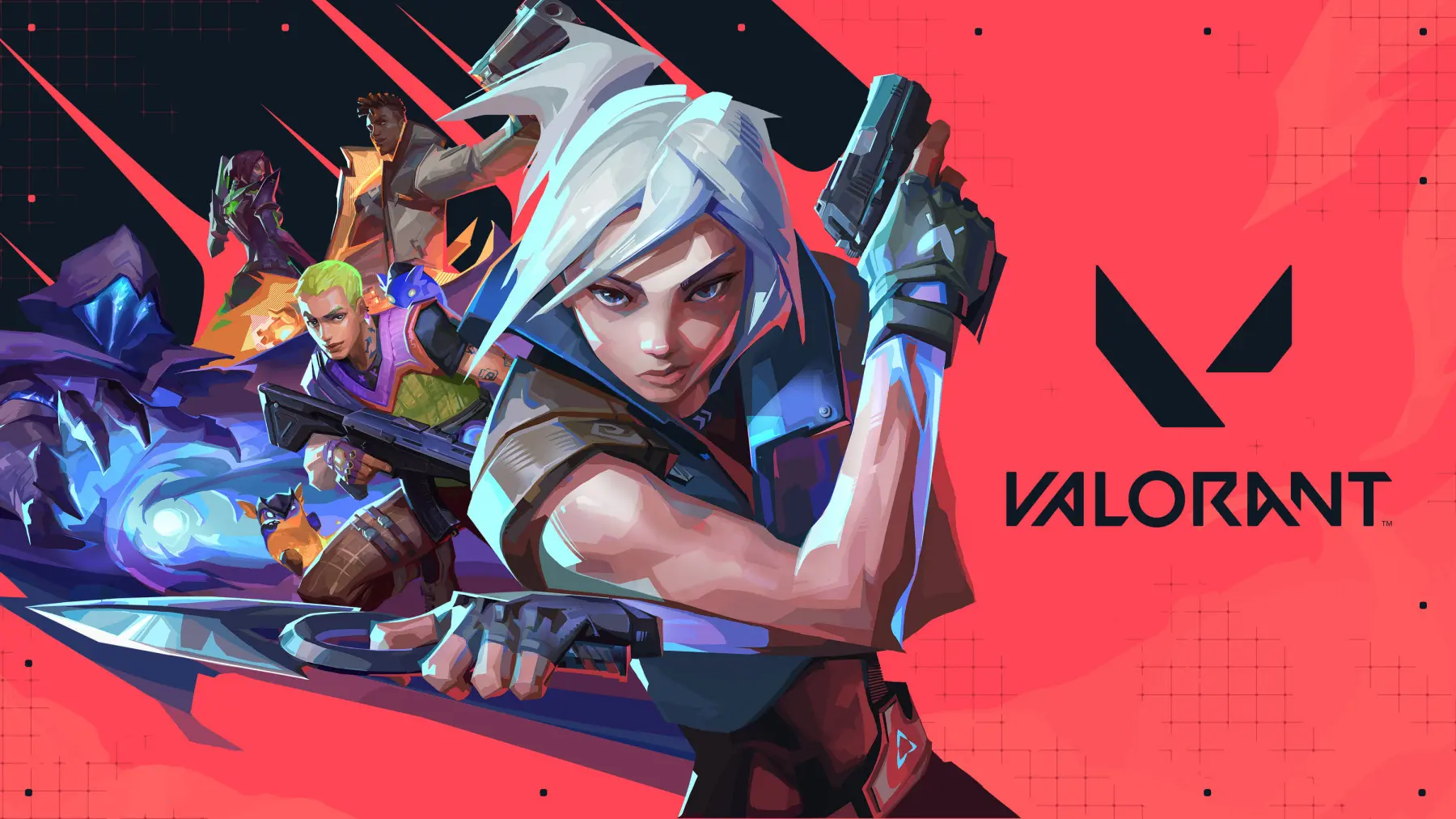
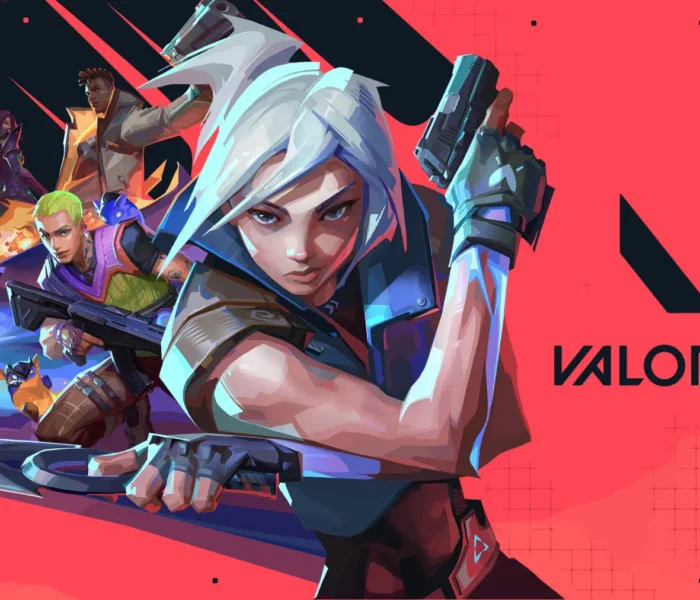
Valorant has cemented itself as a titan in the competitive gaming space. By blending the precise, punishing gunplay of traditional tactical shooters with the vibrant, ability-driven chaos of hero shooters, Riot Games created something distinct. But is it balanced? Is it accessible?
Having logged countless hours planting Spikes and defusing threats, I’m breaking down the Valorant experience into four key categories. Each category is rated out of 5, leading to a final verdict out of 20.
Here is my deep-dive review of Valorant.
1. The Agents & Abilities: Variety vs. Overwhelm
Score: 4/5
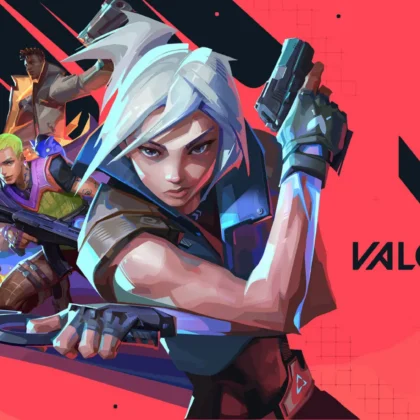
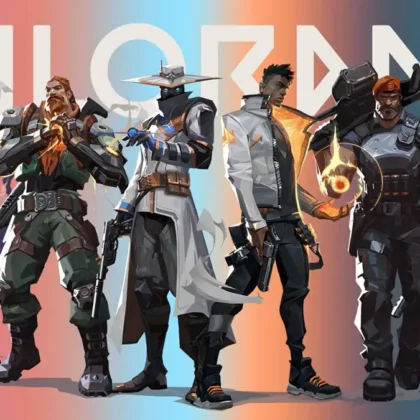
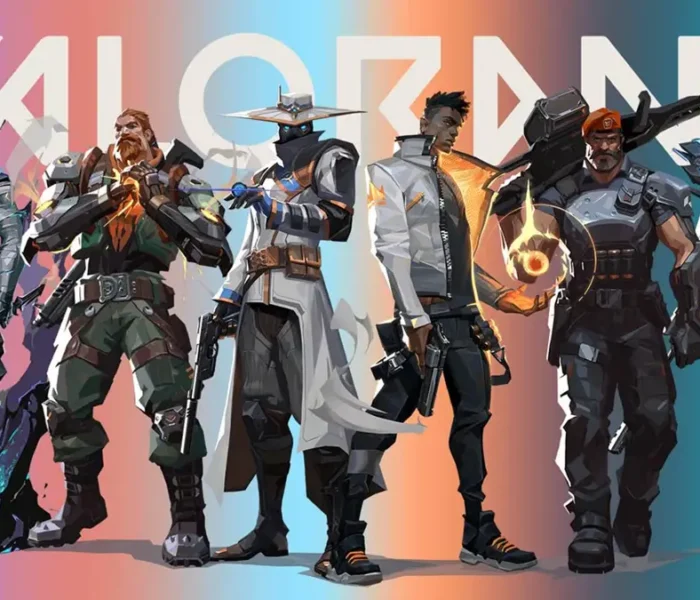
The defining characteristic of Valorant is its roster. With 28 agents currently available, the variety in gameplay is staggering. Riot has done an excellent job ensuring that different playstyles are represented through the four core roles:
- Duelists for the aggressive entry-fraggers who want to shine.
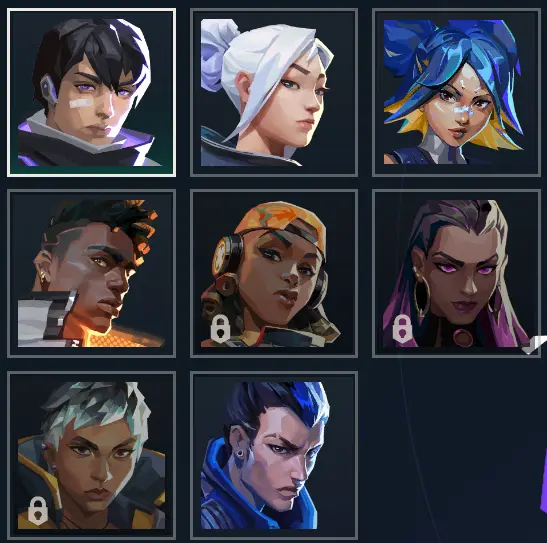
- Controllers to smoke off sightlines and dictate the pace.

- Initiators to gather intel and flush enemies out of corners.
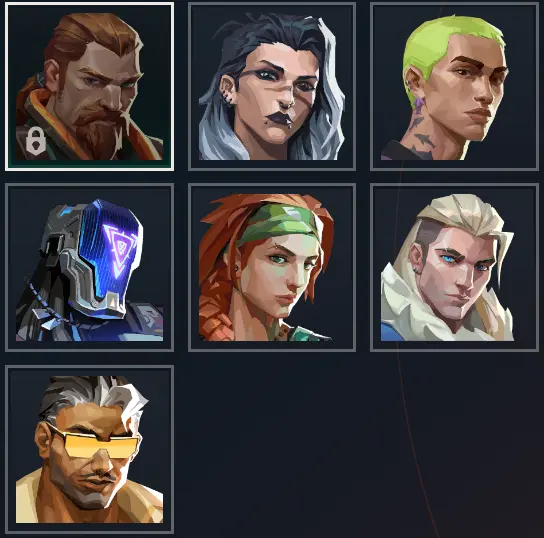
- Sentinels to lock down sites and watch flanks.

This variety is the game’s biggest strength, ensuring no two matches feel exactly the same.
However, this strength is also the game’s most significant barrier to entry. The learning curve is steep. With 28 agents, you aren’t just learning how to play your character; you have to learn the audio cues and visual effects of every other agent to know how to counter or avoid them. When abilities start flying mid-round, the visual clutter can lead to a feeling of being totally overwhelmed, especially for newer players.
It’s a brilliant system, but one that demands serious homework.
2. The Arsenal: Gunplay & Mechanics
Score: 5/5
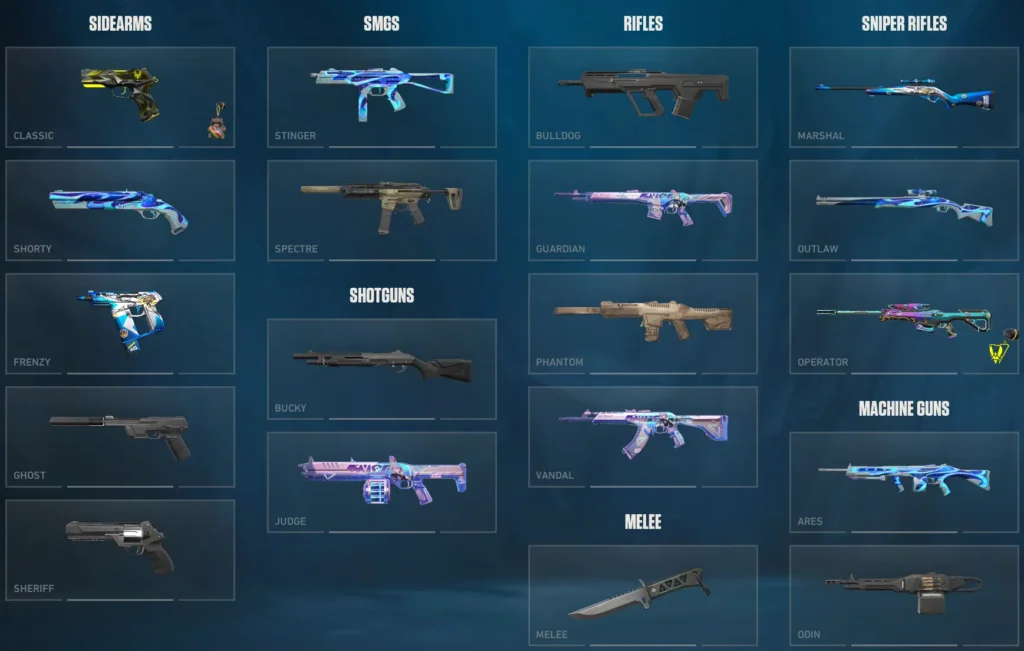
If abilities are the flash, the weapons are the foundation. Valorant’s gunplay is crisp, lethal, and deeply satisfying. The 19-weapon arsenal is incredibly well-balanced, with almost every gun serving a specific purpose based on your economy and strategy.
The staples are excellent. The eternal debate between the Vandal (zero damage drop-off, one-tap headshots at any range) and the Phantom (silenced, easier spray control, no tracers) provides great options for primary rifles.
But the game really shines in how viable the “lesser” weapons are:
- Sidearms: The free Classic is surprisingly versatile with its right-click burst, while the Sheriff acts as a high-risk “Deagle,” rewarding disciplined aim with one-taps.
- Eco Weapons: The Stinger and Spectre SMGs allow for aggressive run-and-gun plays on low-money rounds. The Outlaw sniper is a punishing addition designed specifically to counter half-armored opponents.
- Situational Tools: The Judge shotgun turns a defensive player into an anchor in tight corners, while LMGs like the Odin capitalize on wall-banging mechanics when combined with recon abilities.
The mechanics reward precision—stopping to shoot, pre-aiming corners, and managing recoil. It feels fair, and landing that crispy headshot is an addictive feeling.
3. The Battlegrounds: Map Design & Gimmicks
Score: 3.5/5
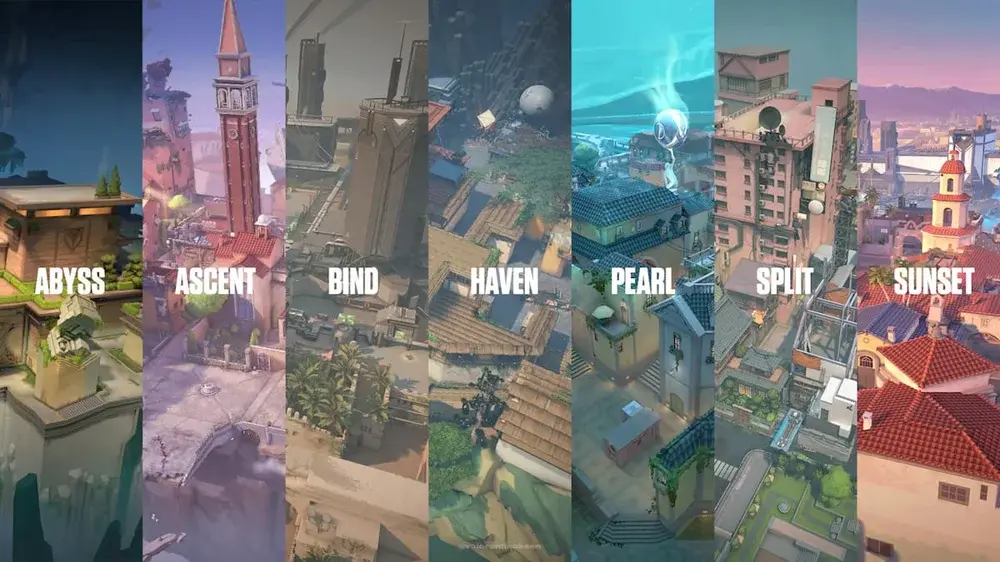
Valorant currently features a pool of 12 maps, which is a lot of terrain to memorize. Riot’s approach to map design is usually centered around a unique “gimmick” that defines how the map is played.
Some of these are fantastic innovations on the tactical shooter formula. Haven and Lotus challenge defenders by featuring three bomb sites instead of the standard two, forcing thin defensive lines and fast rotations. Ascent is a masterpiece of standard tactical design, focusing heavily on controlling the mechanical doors in Mid.
However, some gimmicks feel more frustrating than tactical. The extreme verticality and ziplines of Icebox, or the massive, aim-duel-heavy sightlines of Breeze, often force very rigid “metas” where certain agents feel mandatory. The map, Abyss, introduces the anxiety of falling off the map to your death—a mechanic that can feel cheap in a tactical environment.
The maps are distinct and visually interesting, but the heavy reliance on gimmicks means you will likely love some and absolutely loathe others.
4. The Core Loop: Game Modes & Economy
Score: 4.5/5
The glue that holds Valorant together is its economy system. Managing “creds” based on your round wins and losses adds a crucial layer of strategy. Knowing when to “save” with a pistol, when to force-buy to surprise the enemy, or when to full-buy is half the battle.
Riot has also done a great job accommodating different time commitments with its 6 game modes:
- Competitive & Unrated: The standard first-to-13 experience. It’s intense and time-consuming.
- Swiftplay: A brilliant addition. It offers the full economy and ability experience in a much shorter format.
- Practice Modes: Deathmatch is essential for raw aim training, while Team Deathmatch and Spike Rush offer fun, ability-enabled chaos without the pressure.
There is something here for everyone, whether you have 15 minutes or an hour to burn.
The Final Verdict: 17/20
Valorant is an exceptional tactical shooter that demands precision, teamwork, and significant map knowledge. Its blend of sharp gunplay and diverse agent abilities creates a deeply competitive environment that is incredibly rewarding to master. While the sheer volume of mechanics, maps, and abilities can be daunting for newcomers, the depth of strategy available makes the grind worth it.